Amazon’s 2026 Holiday Toy List Prioritizes Sensory Exploration and Screen-Free Learning
Amazon's 2026 Holiday Toy List Puts Sensory Play and Hands-On Building in the Spotlight…
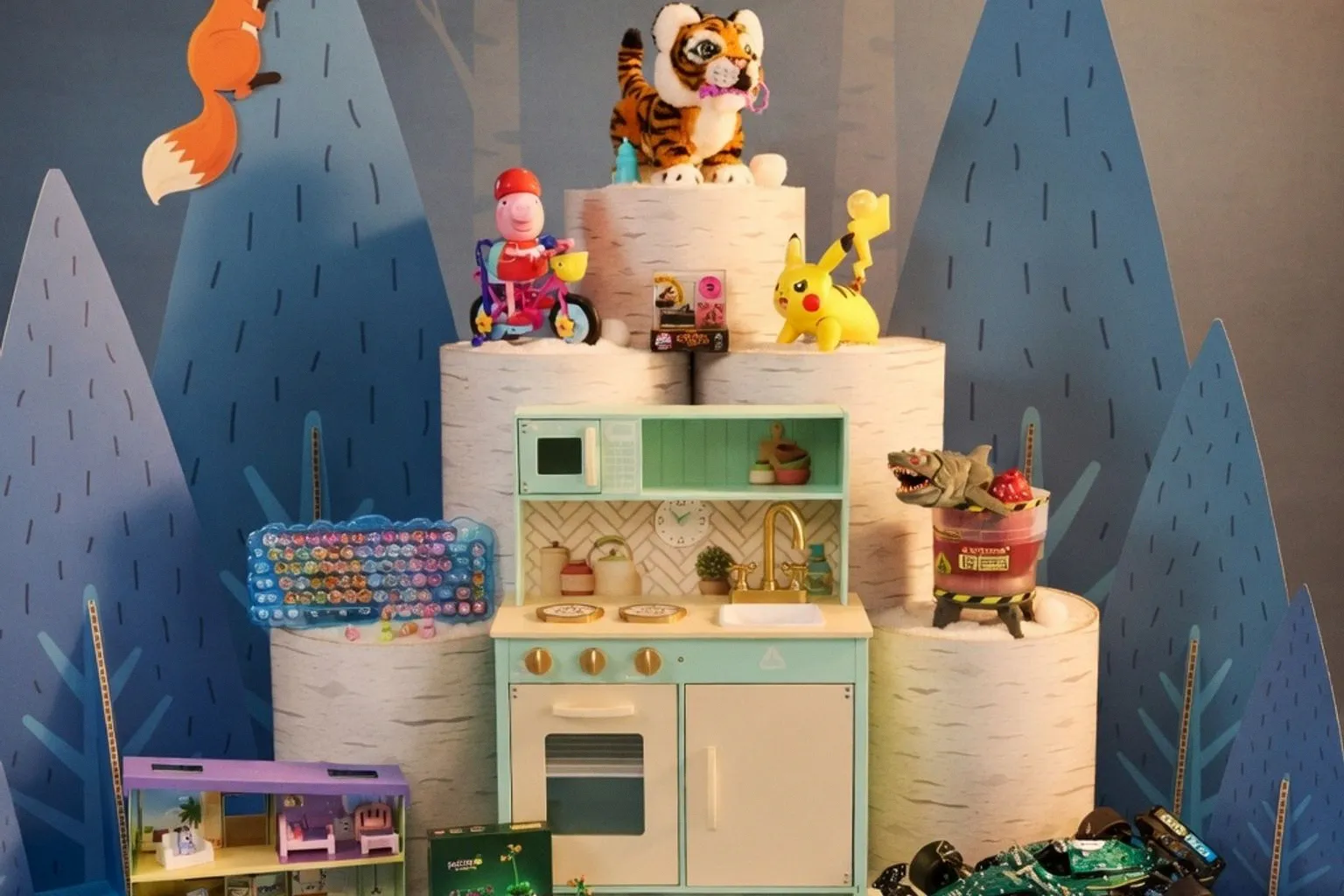
Amazon just dropped its annual holiday toy preview for 2026, and if you've been watching the play space shift away from screens, you'll feel seen. The retailer's curated collection features more than 100 products centered on screen-free learning, sensory exploration, and early childhood construction sets — a clear signal that hands-on, tactile play is shaping how families shop this season.
What the Catalog Tells Us About Where Play Is Heading
Reading through Amazon's preview, the throughline is unmistakable: developmental play tools that engage the hands and the senses are winning real estate on the holiday shelves. Construction sets, sensory toys, and screen-free learning kits aren't tucked into a niche corner this year — they're leading the conversation. That's worth pausing on if you're a parent, educator, or gift-giver trying to choose toys that actually support a child's growing mind.
The timing matters too. This list lands well before the holiday shopping rush, giving families room to plan rather than panic-buy. In a classroom setting, I've watched parents arrive in December clutching whatever was still available, often ending up with toys that don't match the child's developmental stage. Lists like this one create breathing space — a chance to slow down and ask what a child genuinely gravitates toward.
A Bigger Industry Signal: Tactile Play Is Holding Its Ground
Amazon isn't alone in this read. UK toy specialist The Entertainer published its own 2026 holiday forecast, pointing to tactile building sets, multi-generational play patterns, and timeless interactive toys as the categories to watch. Their retail buyers specifically noted that traditional hands-on construction and nostalgic play formats continue to hold their own against screen-centric entertainment.
That word — nostalgic — caught my attention. It suggests something deeper than a passing trend. Parents and grandparents are reaching for the kinds of toys they remember, the wooden blocks and stacking sets and tactile puzzles that didn't require a charging cable. The Entertainer's list of ten toys predicted to top Christmas wish lists spans everything from F1-themed playsets to Pokémon, a reminder that imaginative play still holds enormous range when the design is intentional.
How to Use These Lists Without Getting Overwhelmed
Here's where a practitioner's instinct kicks in. A "top 100" list can feel like a flood of options, but the real work is filtering through developmental fit rather than popularity. Before adding anything to a cart, ask a few grounding questions:
- Does it invite the hands? The best sensory toys offer rich tactile feedback — different textures, weights, and resistances that build fine motor control and body awareness.
- Can more than one age play together? Multi-generational play sets are gold for social development. Siblings, cousins, and parents all enter the scene, and the toy becomes a scaffold for conversation and cooperation.
- Does it leave room for the child's imagination? Open-ended construction toys, loose parts, and sensory bins outperform highly scripted playsets because they grow with the child instead of being outgrown in a month.
A little practical tip from the playroom: when a new construction set arrives, resist the urge to sit beside your child and direct. Instead, sit nearby and build your own version. Co-play — quiet, parallel, curious — invites the child to mirror, negotiate, and problem-solve without pressure. That's where the real developmental magic happens, and it's why tactile, open-ended toys deserve their moment in the holiday spotlight.
What to Keep Watching
As the fourth quarter approaches, the conversation around screen-free developmental play is clearly gaining momentum, not fading. If Amazon's full holiday catalog and The Entertainer's predictions hold true, families can expect to see more wooden construction sets, sensory bins, and tactile learning kits marketed front and center. For those of us who work with young children daily, that shift is genuinely encouraging — the market is catching up to what early childhood educators have always known. The hands tell the brain what to do next, and every screen-free minute a child spends building, sorting, or squishing is a minute spent wiring up the foundations of focus, creativity, and emotional regulation.