EBG Group Launches Adhira & Appa Toys to Expand India's Educational Play Market
According to MediaBrief, EBG Group is the latest entrant into the toy and learning space with the launch of Adhira & Appa Toys, a homegrown Indian brand built on an idea that will feel familiar to…
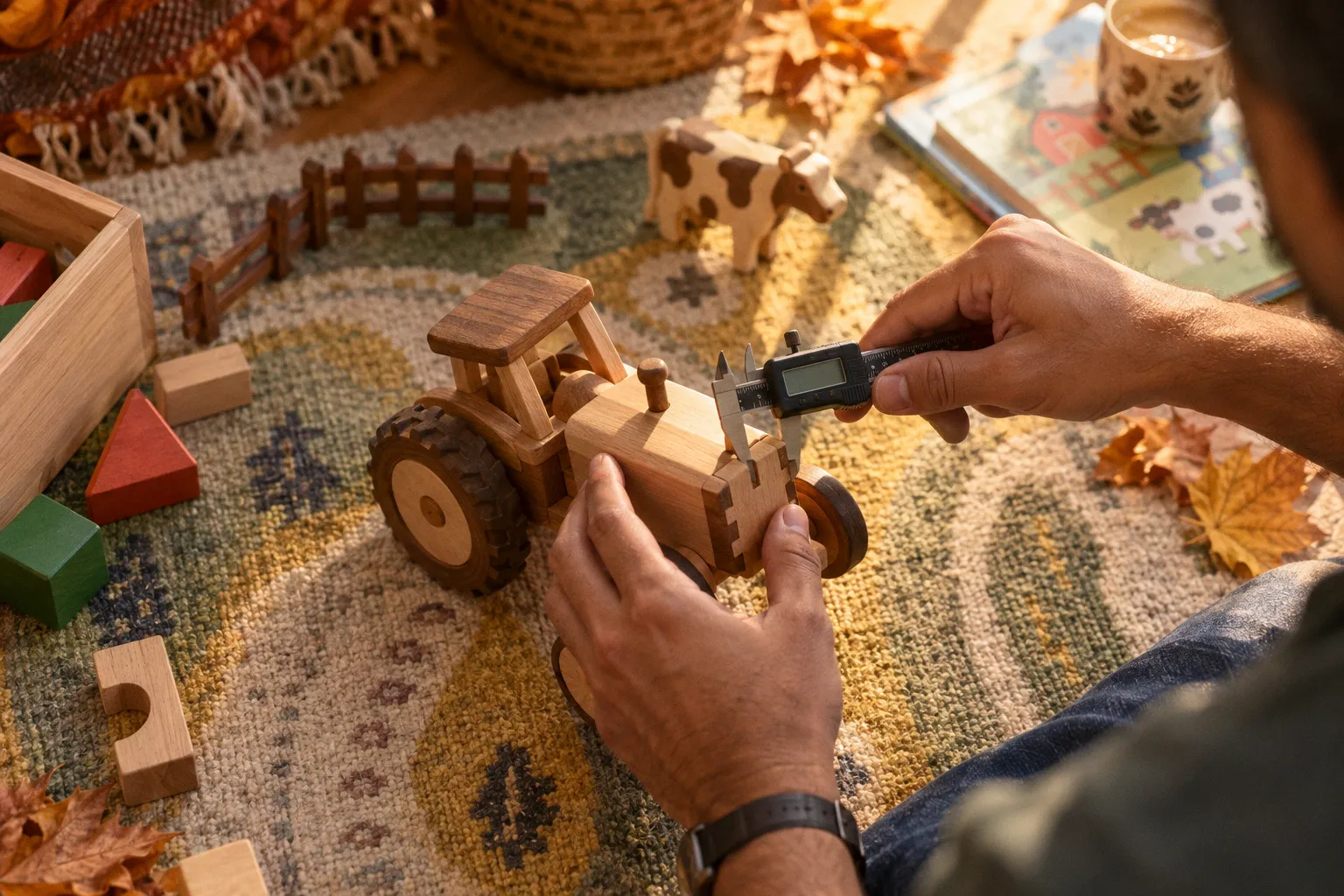
According to MediaBrief, EBG Group is the latest entrant into the toy and learning space with the launch of Adhira & Appa Toys, a homegrown Indian brand built on an idea that will feel familiar to anyone who has watched a small child stack blocks, host a dolls' tea party, then beg for a flashlight to map shadows on the wall: toys should spark curiosity, imagination and learning, not just fill a shelf. The first store opens in Hyderabad by the end of 2026, backed by an investment of over ₹50 crore and a stated goal of reaching 50 stores across India by 2027.
What the brand is putting on the shelf
The first portfolio covers 1,335 products for children from infancy through the pre-teen years, and the categories map closely to what early years practitioners tend to look for first. Parents will find STEM and educational toys, construction and building sets, robotics and science kits, sensory-development toys, puzzles and board games, arts and crafts, pretend-play products, dolls and action figures, remote-control vehicles, ride-ons and tricycles, plush toys, outdoor play products, electronics and collectibles.
For anyone who has watched children move between tactile feedback, imaginative scenarios, open-ended construction and sensory exploration in a single afternoon, that breadth is the point. Toys in a real playroom are rarely doing just one job, and a brand that organises itself around multiple modes of play speaks directly to the rhythm of an actual childhood day.
Why this matters beyond India
The launch is framed around India's Vocal for Local and Made in India initiatives, and the numbers give the move some weight. A Union Government report notes that India became a net exporter of toys in FY 2025–26, with imports declining 37.5% and exports rising 89.1%, reaching markets including the United States, the United Kingdom, the Netherlands and Germany. Finance Minister Nirmala Sitharaman has encouraged the industry to look beyond a projected USD 5 billion domestic market by 2034 and aim for a larger share of a projected USD 179 billion global toy market by 2032.
For educators and parents watching where developmental and educational toys are being designed and made, that growth signal is worth noting. A larger manufacturing base tends to push variety up and prices down, and the brand's stated work with Indian manufacturing partners aligns with the wider conversation about shorter supply chains and safer material sourcing.
What to watch as the rollout begins
Hari Haran Chandrasekharan of the Adhira & Appa Toys vertical has pointed to domestic and regional sourcing, reusable and recyclable packaging and reduced single-use materials as part of the brand's approach, alongside plans for Adhira & Appa Game Zones, experiential play areas, learning workshops, and an integrated digital and omnichannel platform connecting physical and online experiences.
For parents and practitioners, the practical questions are familiar. Does the sensory range actually invite calm, regulated exploration, or is it simply bright plastic? Are the pretend-play props open-ended enough for two children to invent a shared story, or do they funnel play down a single path? The Hyderabad flagship, planned as a learning ground for the operating model before expansion to other cities, will be the first place to see how those intentions translate onto a shelf a child can actually reach.