Evaluating Five Star Toys: A Critical Look at Their Educational Product Claims
A cluster of press releases distributed through openPR.com, EIN Presswire, and EIN News on September 23, 2026 positions Guangdong Five Star Toys Co., Ltd. across three distinct product categories within the early childhood segment.
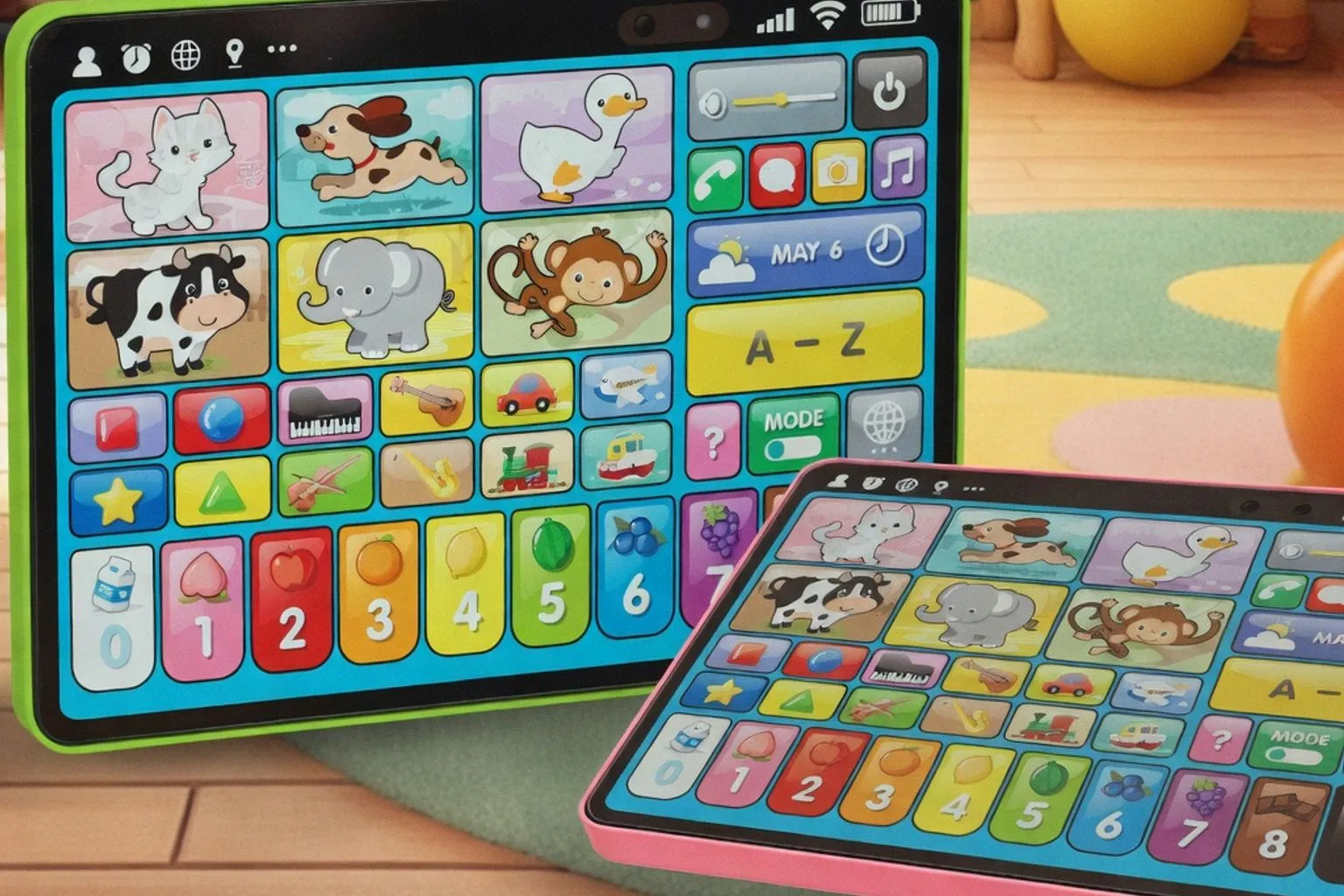
The announcements cover learning tables and early education machines, pretend-play phone toys with learning sounds, and rattles alongside infant activity products. Because each item appears as corporate self-distribution rather than independent reporting, the practical question for caregivers becomes which claims can be verified and which require external confirmation before any procurement decision.
What the announcements actually establish
The three releases function as a unified corporate positioning statement rather than three separate news events. According to the openPR.com headline, Five Star Toys presents itself as a leading educational toy manufacturer, with learning tables and early education machines identified as flagship categories. The EIN Presswire release frames the company's phone toy line as connecting pretend communication with learning sounds and targets a global market. EIN News carries a third release identifying Five Star Toys as a China-based leading baby toy manufacturer, with rattles and infant activity products as the focal category.
That is the extent of the verifiable content. None of the three available snippets includes technical specifications, material composition data, age-gradation ranges, safety certification references, or developmental outcome claims. The EIN Presswire release, the only item with any source text, provides only standard distribution boilerplate in its body — the same disclaimer language applied to every article on that wire — which carries no product information at all. Consequently, any inference about durability standards, tactile quality, or cognitive load calibration rests on the brand's own framing rather than on independent testing data within this evidence set.
Evaluating manufacturer-positioning announcements
Press release clusters from a single corporate source appearing on syndicated news wires warrant a specific evaluation protocol. Three checkpoints apply. First, the absence of substantive source text in two of the three items means that only the headline framing can be cited — not features, not claims of compliance with ASTM F963 or EN 71 standards, not lead or phthalate testing results. Second, the descriptor "leading manufacturer" is repeated across all three releases; this functions as a self-designation rather than an audited market position and should not be treated as an external endorsement. Third, distribution through wires such as EIN Presswire and EIN News is open-access — any company can submit content — and the absence of editorial vetting should be assumed by default.
For a caregiver building a shortlist of developmental products, the actionable filter is verification outside the announcement itself. That means requesting full material safety data sheets directly from the manufacturer, confirming any third-party lab reports through the issuing laboratory, and cross-referencing the specific products against the CPSC recall database in the United States and the EU Safety Gate (RAPEX) alerts in Europe. The categories themselves — activity tables for fine motor precision and spatial reasoning, pretend phones for symbolic thinking and auditory discrimination, rattles for cause-and-effect sequencing and grasp development — align with established developmental milestones, but alignment of category intent is not evidence of product quality.
What to track next
The simultaneous push into educational and infant categories signals an active product expansion rather than an established track record. A useful next step is to check whether the company publishes a verifiable catalog with age ranges, materials, and documented safety certifications, and whether independent retailers carry the products with traceable testing documentation. Until that data appears in a verifiable form, the announcements function as a brand-availability signal — useful for awareness, insufficient on its own for procurement decisions in the developmental product category.