India’s Toy Industry Ambitions: Can It Challenge China’s Global Dominance?
A child may happily reach for the same wooden puzzle, stacking set, or pretend-play prop again and again, while adults wonder where it was made and what that means for quality.
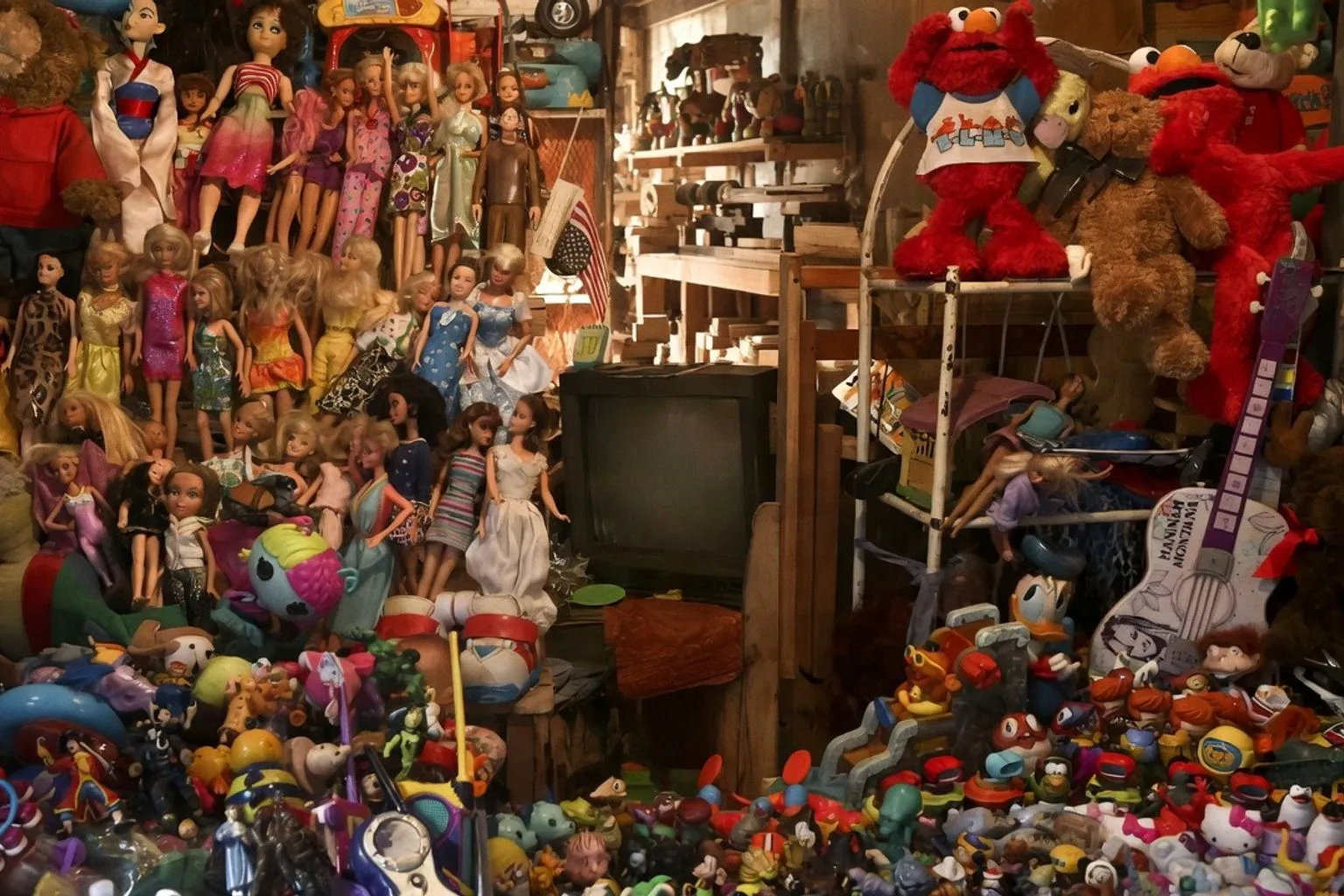
According to reports from Outlook Business and The Economic Times, India is being presented as a possible new force in the global toy market, challenging China’s established position and aiming for a larger international share. For families and educators choosing developmental toys, the important point is not to declare a new winner too early, but to watch how this ambition translates into the products children actually handle.
A bigger ambition, but not yet a settled outcome
The Outlook Business headline asks whether India can overtake China and capture 5% of the global toy market. The Economic Times describes a broader international push, reporting that Finance Minister Nirmala Sitharaman urged Indian toymakers to aim for a quarter of the global market.
These are ambitions, not evidence that either target has already been reached. The available reporting does not provide verified figures on India’s current market share, production volume, export growth, or the proportion of wooden and educational toys within the wider industry. It also does not establish that India has already displaced China in global toy manufacturing.
That distinction matters. A confident headline can make a market shift sound immediate, while the practical changes for parents and classrooms usually arrive more gradually: new suppliers, different product ranges, changing prices, and more choices on packaging.
For the pretend-play and sensory-play market, India’s potential rise could be relevant because these categories depend on more than novelty. A good toy needs to invite repeated handling, flexible storytelling, co-play, and the kind of tactile feedback that helps children stay engaged. Country of origin alone cannot tell us whether a toy offers those qualities.
What to check before treating “made in India” as a quality signal
If more Indian-made toys begin appearing in local shops or online stores, approach them as individual products rather than as representatives of a national trend. The same simple checks remain useful whether a toy is made in India, China, or elsewhere.
Look first at the information the seller provides. Is the material clearly identified? Are care instructions available? Does the product description explain how the toy is intended to be used, or does it rely mainly on broad claims about being educational, natural, or developmental?
Then consider the play pattern. A wooden food set, for example, may support pretend cooking, turn-taking, naming, and early social scripts when an adult joins the play without taking over. A sorting or stacking toy can offer tactile feedback and problem-solving opportunities, but only if its pieces are easy for the child to grasp and the challenge is neither frustrating nor passive.
It is also worth noticing how the finish feels in a real play setting. Can children pick up the pieces without constant adult correction? Are the shapes comfortable to hold? Does the toy allow more than one correct story or sequence? These observations tell us more about play value than a country label or a striking market forecast.
Avoid a common mistake: assuming that a larger manufacturing base automatically means better developmental design. Market scale may increase availability, but it does not replace thoughtful scaffolding, durable construction, or a clear understanding of how young children explore through repetition.
What educators and parents should watch next
The next useful signs will be concrete. Watch for clearer product information, consistent availability, well-described wooden and sensory ranges, and toys that support open-ended co-play rather than one narrow response. Independent evaluation will also matter, especially when a product is presented as educational or suitable for early childhood.
For now, the reports show that India is being discussed as a serious aspirant in the global toy market. They do not yet show how that ambition will affect the everyday shelf of a nursery, classroom, or family playroom.
If new Indian-made toys enter your setting, begin with observation. Offer one item during a familiar play invitation, notice whether children return to it, and see whether it encourages cooperation, pretend scenarios, or sustained tactile exploration. Extend the play with simple prompts—“What could this become?” or “Can we make one for everyone?”—while leaving space for the child’s own ideas. That practical response keeps the focus where it belongs: on the quality of the child’s experience, not only on the geography of production.