Sustainable Wood Shaping: A New Low-Energy Method for Pliable Timber
According to a study from the Italian Institute of Technology in Genoa, reported by Tech Xplore, researchers have developed a low-energy treatment that temporarily makes wood pliable enough to bend…
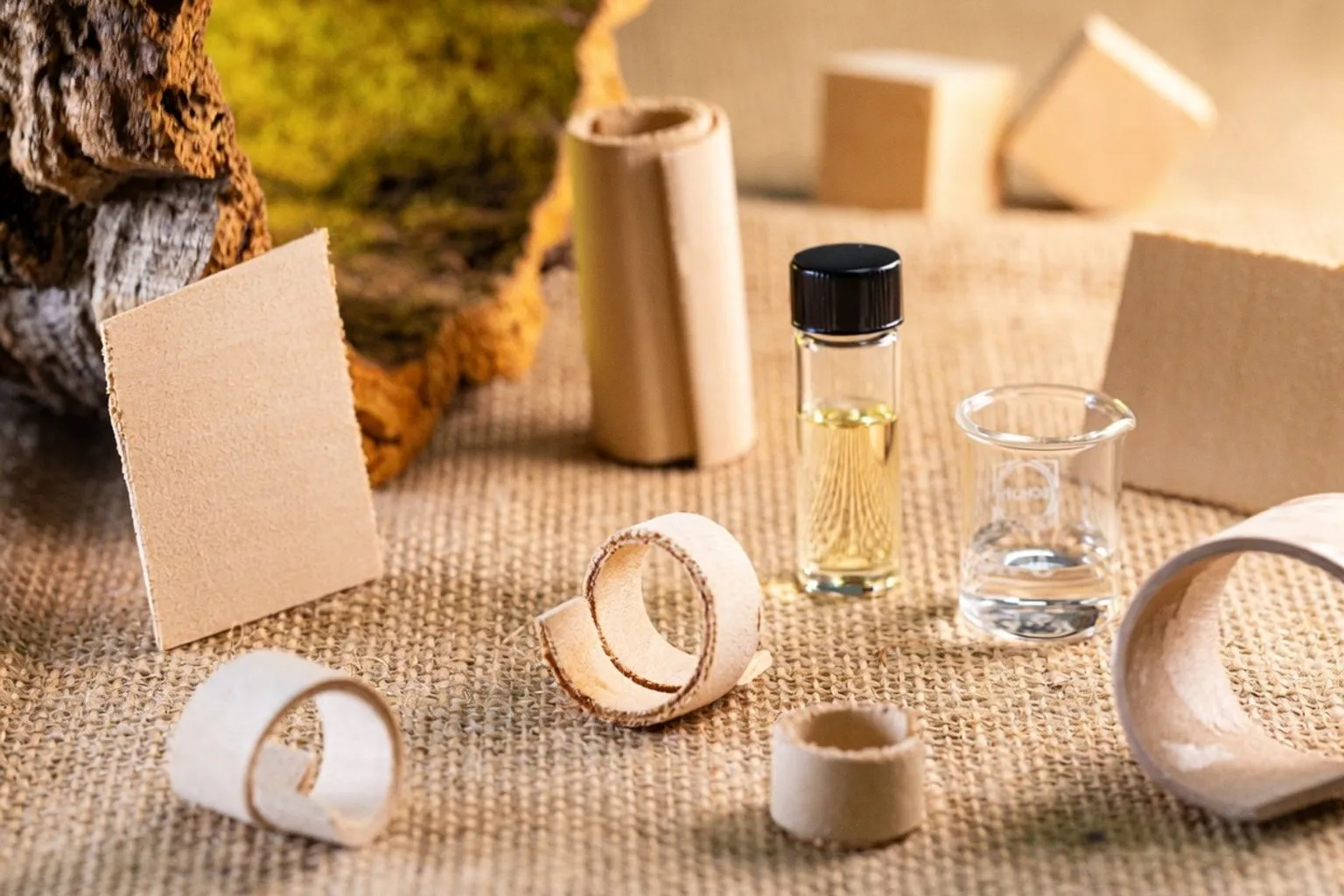
According to a study from the Italian Institute of Technology in Genoa, reported by Tech Xplore, researchers have developed a low-energy treatment that temporarily makes wood pliable enough to bend into new forms without petrochemical adhesives or steam compression. Published in Communications Materials, the method uses a cellulose-derived solvent called Cyrene—and the team lists toys among the sectors that could benefit.
How the IIT process works
The Smart Materials research unit, coordinated by deputy scientific director Athanassia Athanassiou, built the technique around Cyrene, a green solvent blended with water. When wood is impregnated with the mixture, the solution acts on both the non-crystalline components—lignin and hemicellulose—and on the cellulose fibers themselves. The IIT team reports no alteration to the wood's natural internal structure, which is the central claim worth examining.
Once saturated, the sheet becomes pliable enough to bend into a target geometry. Drying then locks the wood in its new shape, and the researchers say the original mechanical properties survive the round-trip. A second treatment can also return the piece to its original form—or bend it into yet another shape entirely, which suggests a degree of reversibility most commercial laminates cannot offer.
What it means for wooden toy and craft materials
The species tested are already familiar to model-making and toy workshops. Basswood was the primary material in the study, with balsa, okoumé, Bahia walnut, and ash as additional candidates. All test pieces were thin sheets ranging from one to five millimeters—well within the gauge used for pull-along animals, stacking puzzles, dollhouse components, and carved figurines.
The headline environmental claim is structural: no petrochemical adhesive is added during shaping, so the finished piece remains biodegradable at end-of-life. That sidesteps the chief complaint against conventional plywood and laminated wood, where the glue—not the wood itself—dictates whether the piece can be composted, recycled, or simply landfilled. Researcher Martina Nardi is quoted in Tech Xplore's coverage arguing that wood's combination of strength, durability, and insulating properties makes it "a valuable ally in mitigating climate change," and that expanding its workability is essential to keep it relevant across more applications.
What to verify before you trust the label
This is lab-scale work, not a factory process. IIT notes that shaping larger wood pieces would require industrial facilities—so the bendable basswood rocking horse on a workshop bench is still a future product, not a present one.
Three practical questions for any maker, retailer, or parent who later encounters toys or craft kits marketed with this technology:
- Ask which solvent system was actually used. If the answer involves formaldehyde-based resins or other petrochemical binders, the biodegradable claim does not hold.
- Confirm the wood species and sheet thickness. IIT's results were demonstrated on thin hardwood and softwood sheets, not solid blocks, and basswood behaved differently from the other four species tested.
- Look for published mechanical data, not just marketing language. The IIT study reports preserved mechanical properties in its own testing; any commercial product should be able to point to comparable figures.
The temptation to slap a "sustainable bendable wood" claim on a curved toy is real. The chemistry, at least at the research stage, appears to earn it.